
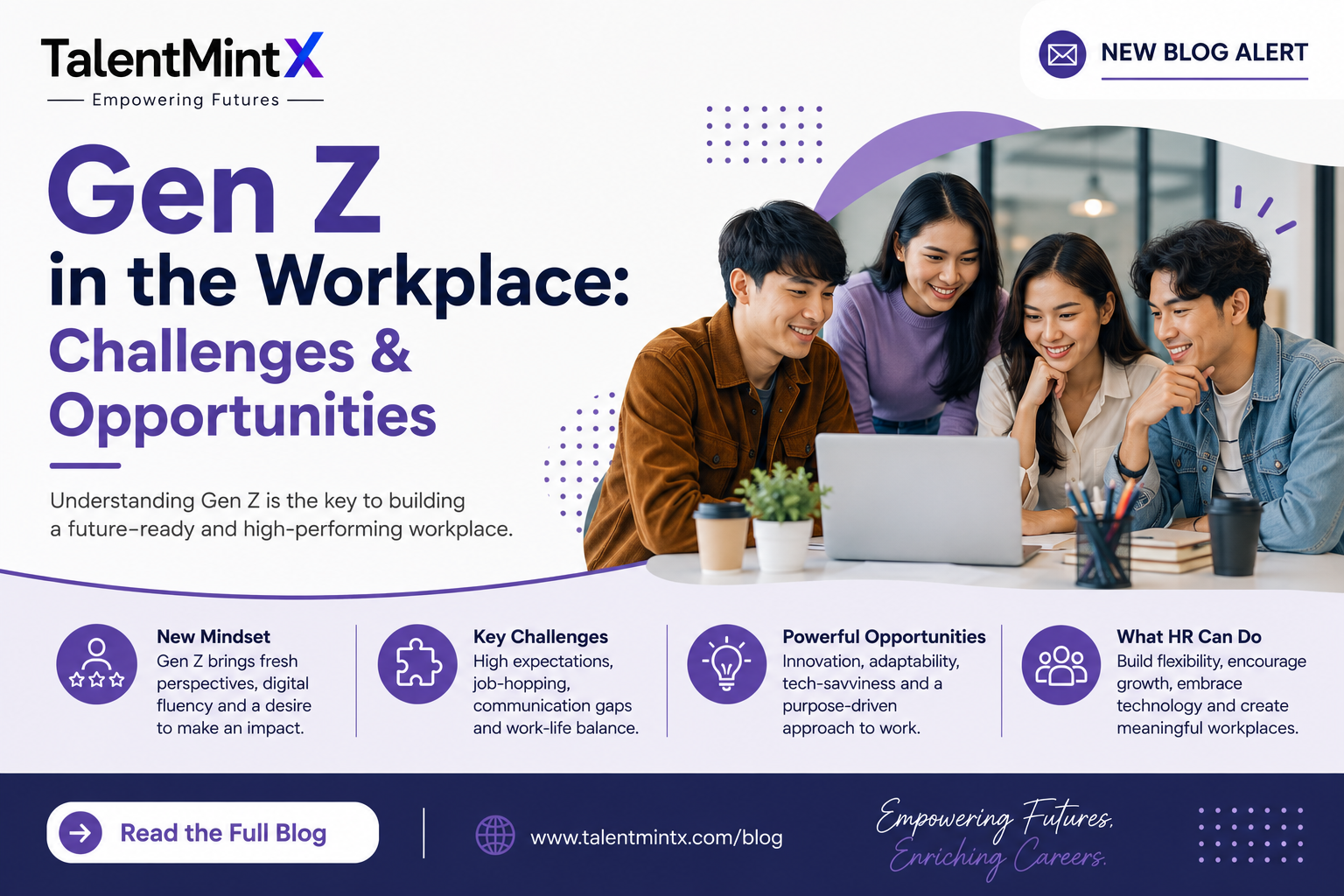
Generation Z—people born roughly between 1997 and 2012—is rapidly becoming a major part of today’s workforce.
As more Gen Z professionals enter companies, workplaces are evolving in new ways. They bring fresh ideas, digital fluency, and strong expectations around work culture.
For employers and HR professionals, understanding Gen Z is no longer optional—it’s essential.
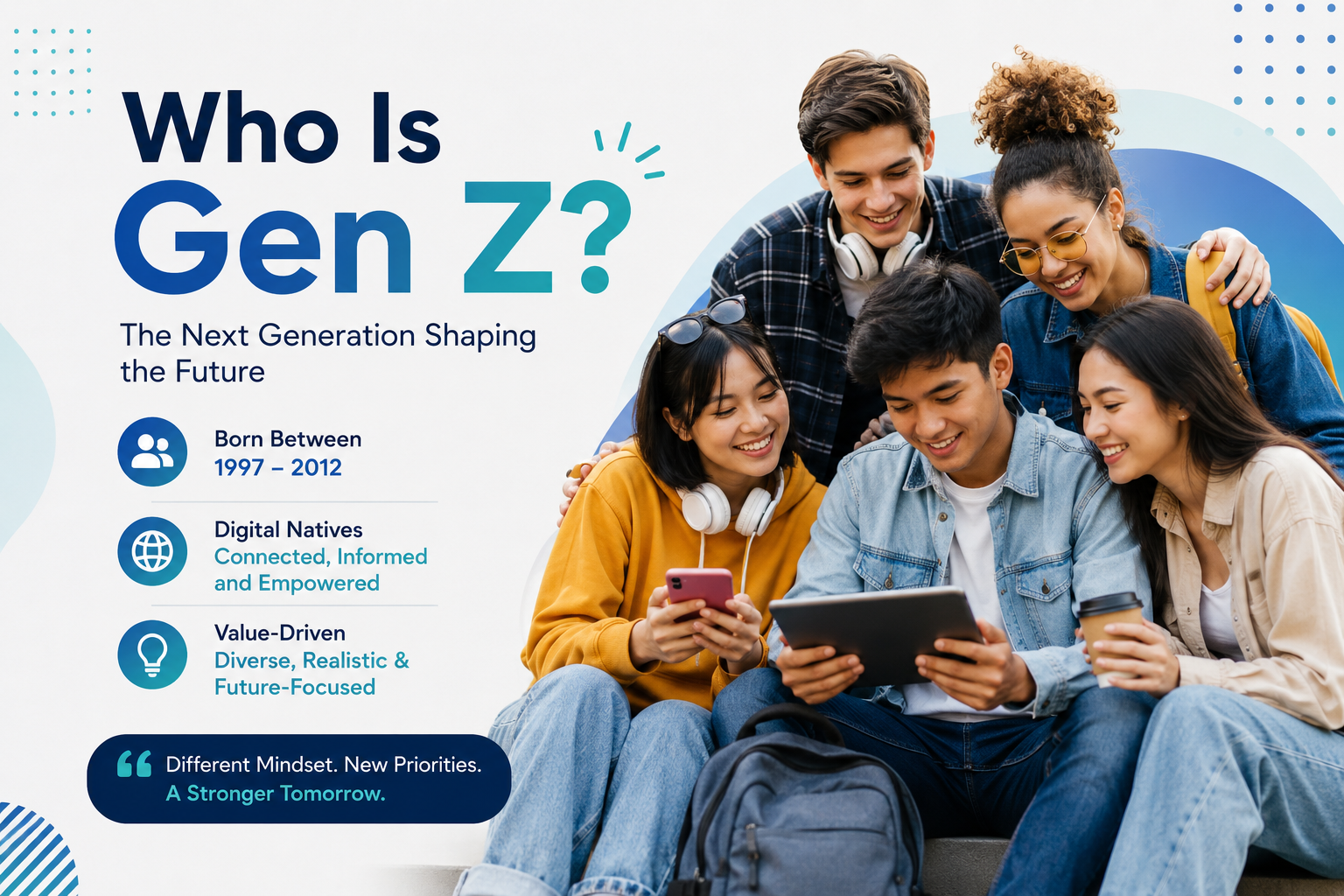
Gen Z is the first truly digital-native generation.
They grew up with smartphones, social media, instant communication, and easy access to information.Unlike previous generations, Gen Z values:
- Flexibility
-Purpose-driven work
- Fast learning opportunities
- Work-life balance
- Transparency from leadership
Challenges of Managing Gen Z in the Workplace
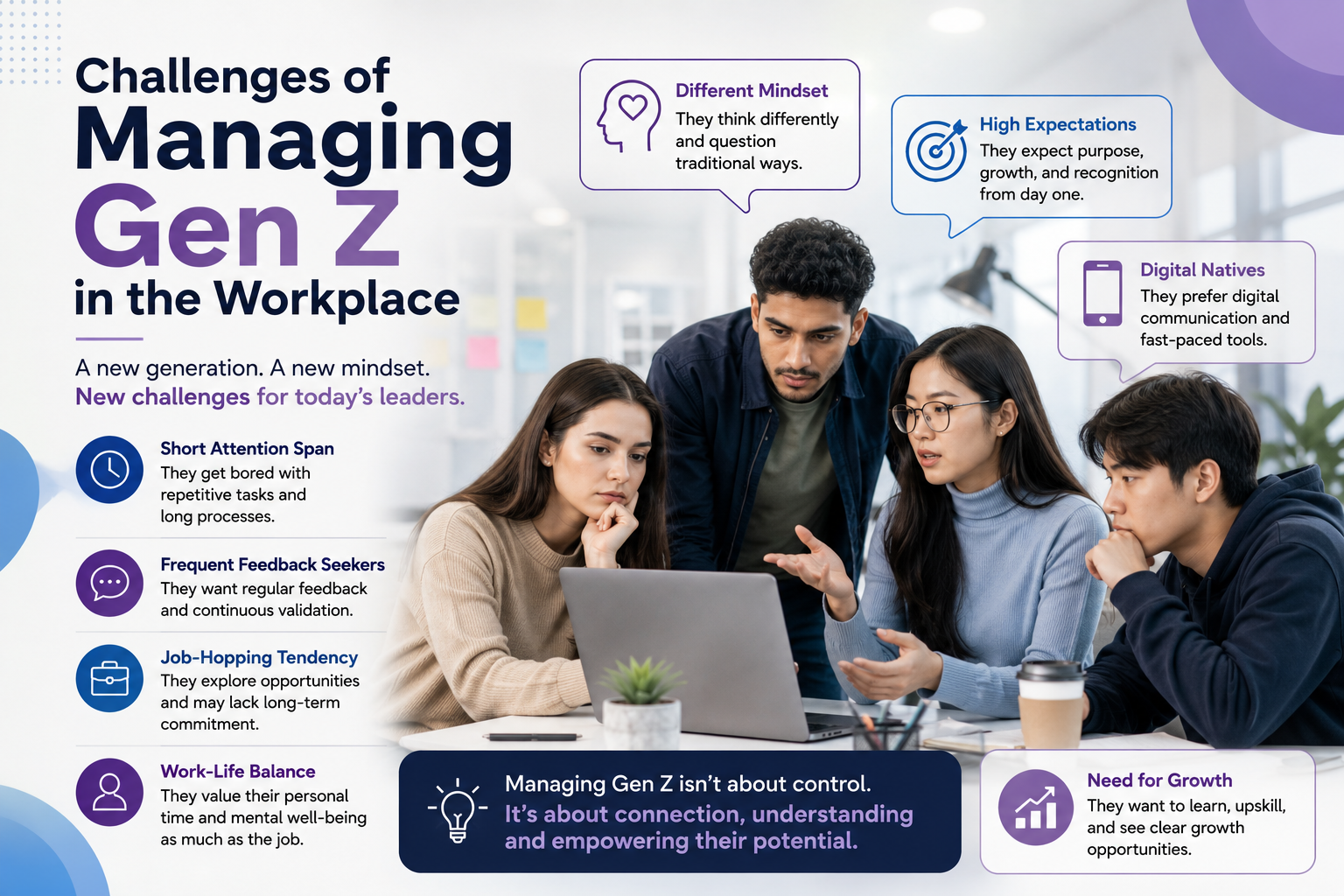
1. High Expectations for Growth
Gen Z employees often expect quick career progression. They want learning, mentorship, and visible growth opportunities from day one.This can become challenging for organizations with slow promotion structures.
2. Lower Tolerance for Rigid Work Culture
Traditional “9-to-5 office only” culture may feel outdated to many Gen Z workers.They often prefer: Hybrid work Flexible hours Outcome-based performanceCompanies that resist flexibility may struggle with retention.
3. Frequent Job Switching
Gen Z is less likely to stay in one company for years just for stability.If they feel: Underpaid Undervalued StagnantThey may quickly explore better opportunities.
4. Communication Gaps
Many managers from older generations prefer formal communication, while Gen Z often prefers quick, direct, and collaborative communication.This difference can create misunderstandings if not managed well.
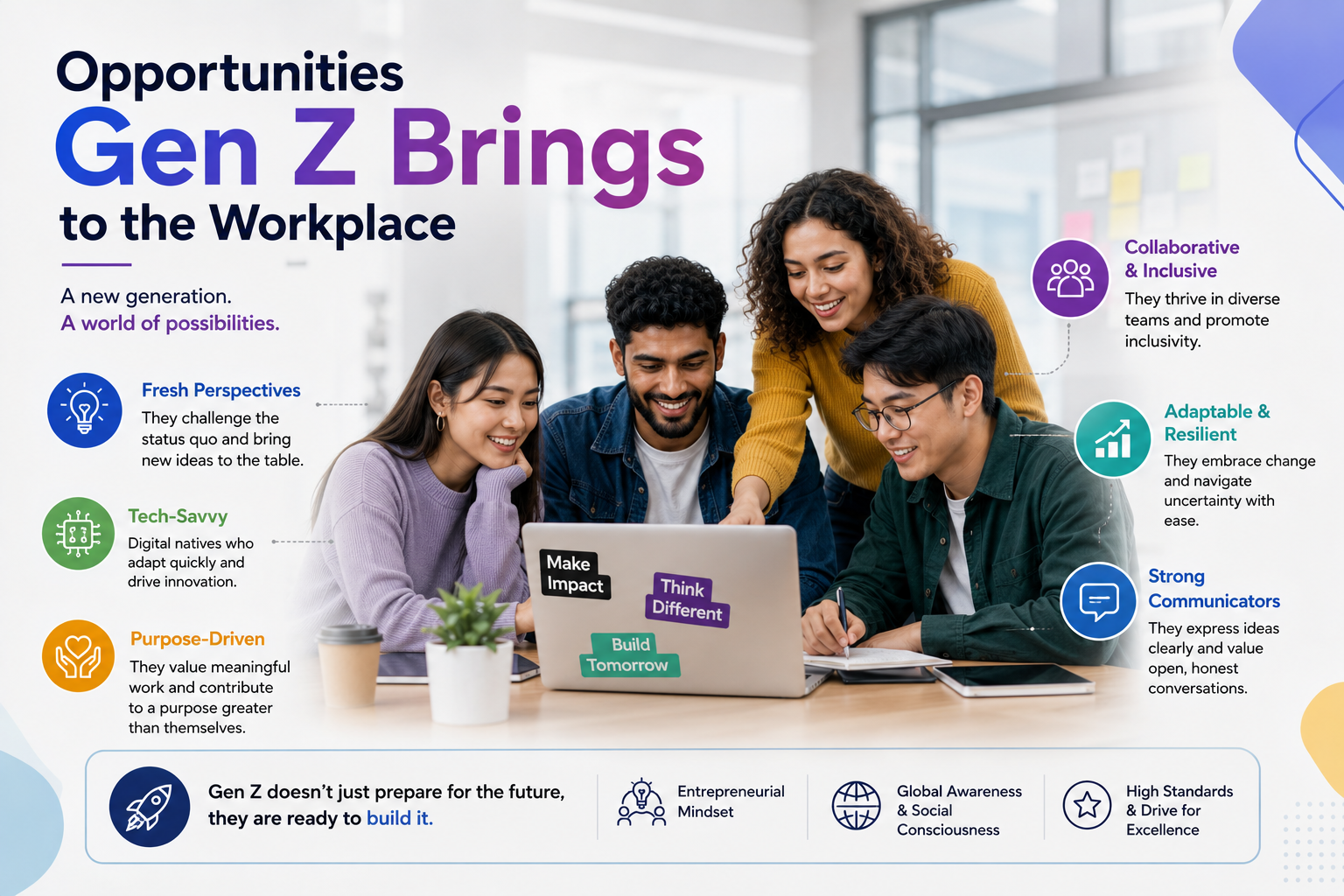
1. Strong Digital SkillsGen Z adapts quickly to tools like:
- ChatGPT
- Canva
- Notion
- LinkedIn
They can accelerate digital transformation across teams.
2. Innovation & Fresh Ideas
Gen Z often challenges outdated systems and brings creative problem-solving approaches.
They ask: “Why do we do it this way?”
That mindset can drive innovation.
3. Focus on Purpose
Salary matters—but purpose matters too.Gen Z wants to work for organizations aligned with values like:
- Inclusion
-Sustainability
-Ethical leadership
- Social impact
Purpose-driven companies often attract stronger Gen Z talent.
4. Faster Learning
Gen Z is highly adaptable. With the right training and mentorship, they can become productive quickly.
This makes structured onboarding and practical training extremely important.
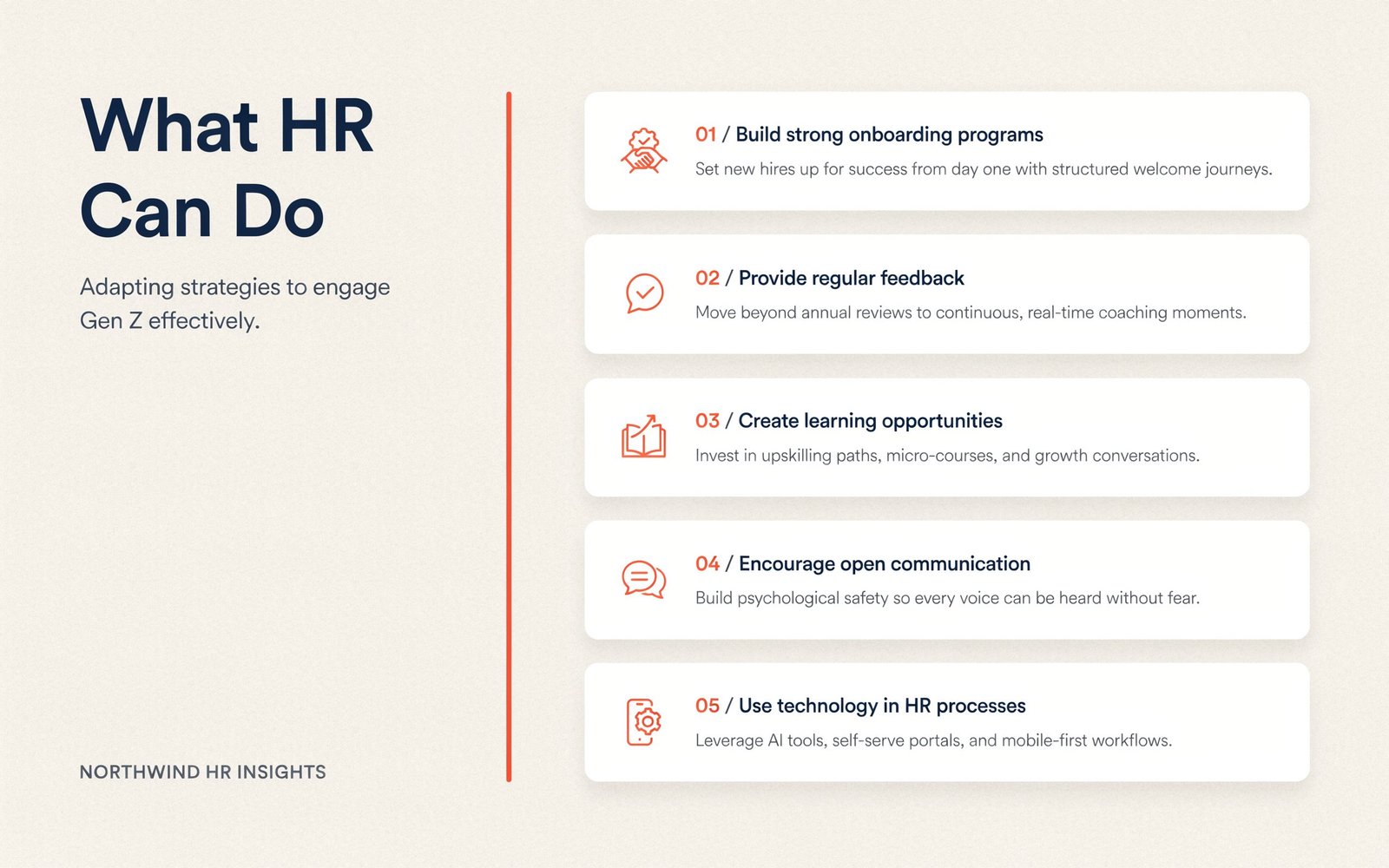
HR leaders should adapt strategies to engage Gen Z effectively:
- Build strong onboarding programs
- Provide regular feedback
- Create learning opportunities
- Encourage open communication
- Use technology in HR processes
The future of HR is about balancing human connection with digital efficiency.
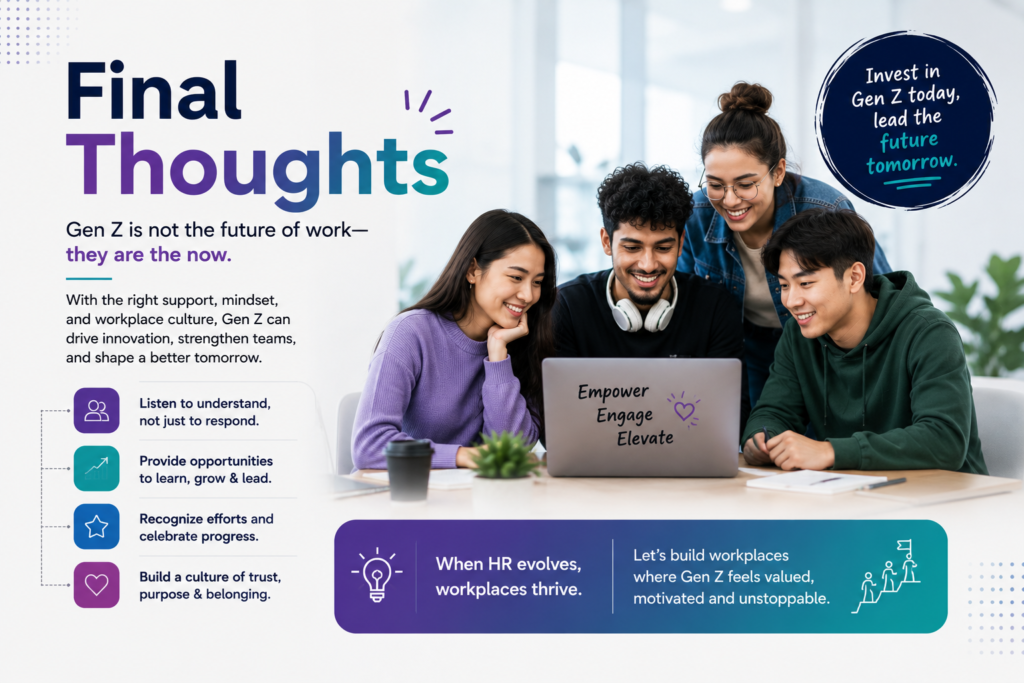
Generation Z is no longer the workforce of tomorrow—they are already here, bringing fresh perspectives, digital fluency, and a strong desire for meaningful work.
As the first true digital-native generation, they are reshaping workplace expectations around communication, flexibility, learning, and purpose.While managing Gen Z may come with challenges such as shorter attention spans, higher expectations, and a need for continuous feedback, these are not obstacles—they are opportunities for organizations to evolve.
For HR professionals and business leaders, success lies in understanding what drives Gen Z. Creating a workplace built on trust, transparency, growth, inclusion, and recognition can unlock their full potential.
Companies that adapt will not only attract Gen Z talent but also retain highly engaged, innovative, and future-ready employees.
The future of work is already here—and Gen Z is helping build it. The question is: Is your workplace ready?